
You can lose real BTC trying to sell coins from BIP-110 fork | Crypto Regulation News
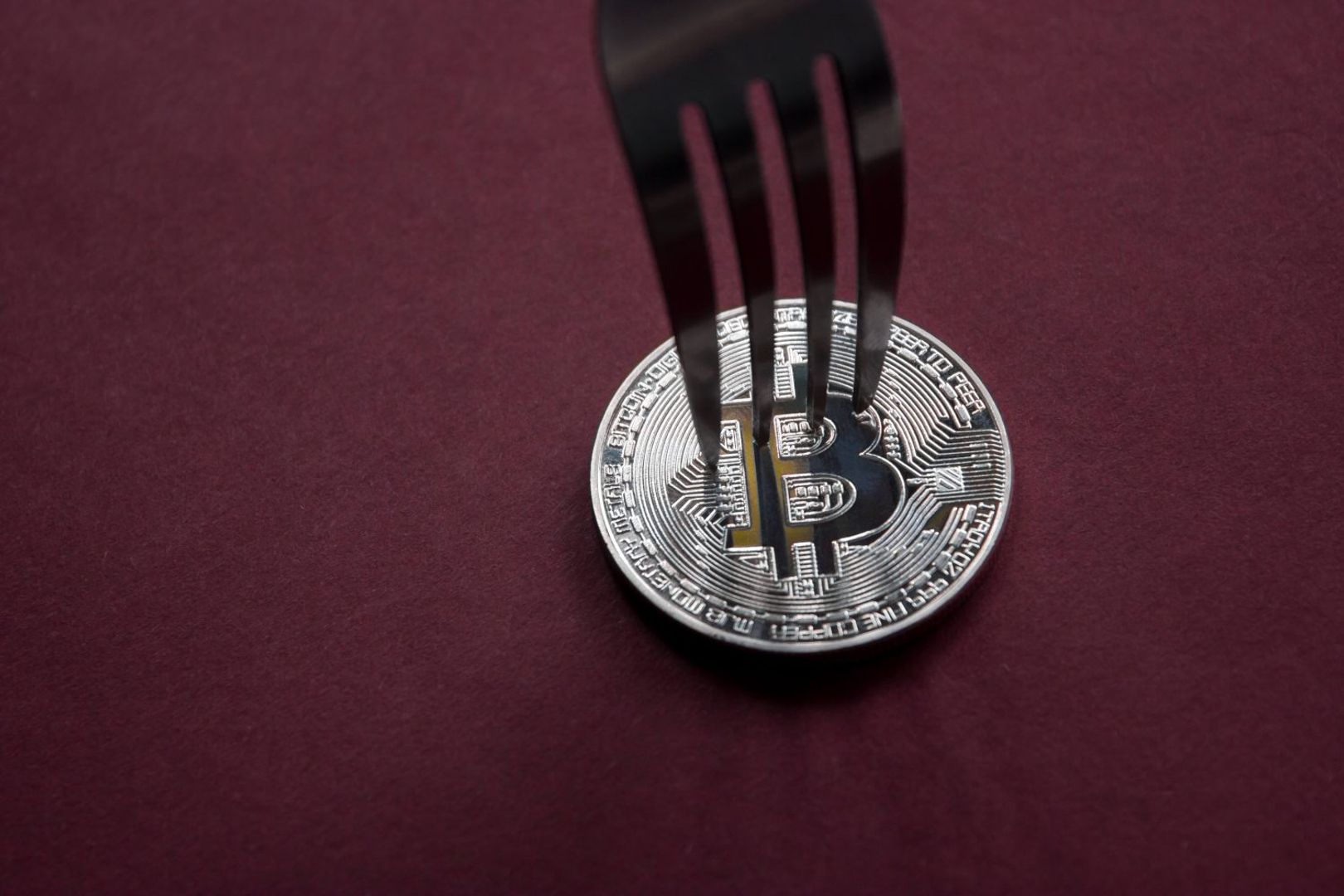

Crypto regulation news: You can lose real BTC trying to sell coins from BIP-110 fork. This update explains what changed, why it matters for the crypto market, and what investors, exchanges, and blockchain companies should watch next.
Crypto Regulation Update
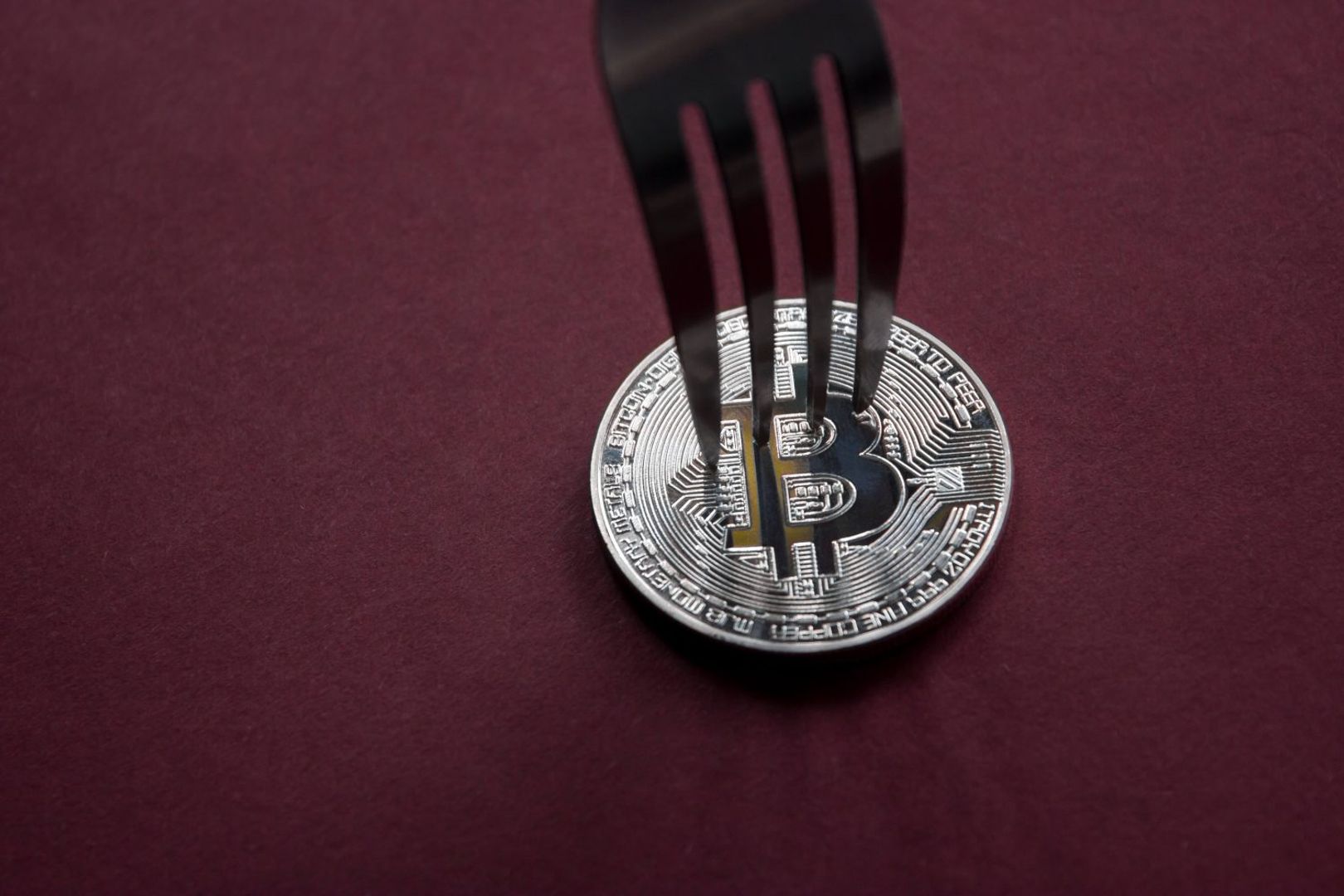
Bitcoin developer Kevin Loaec, who flagged the risk on X this week, said large holders could be targeted first. Doing nothing will be a safer option, he stated, as coins that never move cannot be replayed because there is no signed transaction to copy.⚠️IMPORTANT⚠️In the next couple of days, a new shitcoin will fork off Bitcoin. It is a big security risk for people who just believe they will get an “airdrop” and want to sell it, to get more bitcoin.I will write more about it, but here is the TLDR: 👇— Kevin Loaec 🧙♂️🐟 (@KLoaec) August 6, 2026
How BIP-110 makes this possibleThe reason any of this is happening is a proposal called BIP-110, which would keep pictures, text and other non-payment data out of bitcoin transactions for a year.Changing bitcoin’s rules requires miners to agree, and they register that agreement by marking the blocks they produce. BIP-110 needs 1,109 marked blocks out of a 2,016-block stretch, or 55%. (A block is the batch of transactions miners add to the ledger roughly every ten minutes.)That route is closed but the proposal has a second one written into it. From block 961,632, expected this weekend, computers running BIP-110 software will reject any block that does not carry the mark, whether miners agreed or not.Almost every block being mined right now does not carry it. So those computers will start rejecting the chain that nearly all of bitcoin’s mining power is building.If some miners continue building a BIP-110-compatible branch while the rest keep mining bitcoin as usual, two competing versions of the transaction history could emerge. It stalls if nobody keeps extending the minority branch, it stalls.

Why This Crypto Regulation News Matters

First, this development may affect exchanges, token listings, stablecoins, compliance rules, and market sentiment. In addition, it may influence licensing, reporting requirements, and future enforcement actions. As a result, traders and investors should watch the next legal and policy steps closely.
What to Watch Next
Watch for follow-up statements from regulators, court filings, exchange responses, and policy updates. In particular, any new guidance on licensing, enforcement, or stablecoin rules could have a direct impact on the broader crypto market.


