
U.S. regulator warns prediction markets against cutting corners in event contracts | Crypto Regulation News
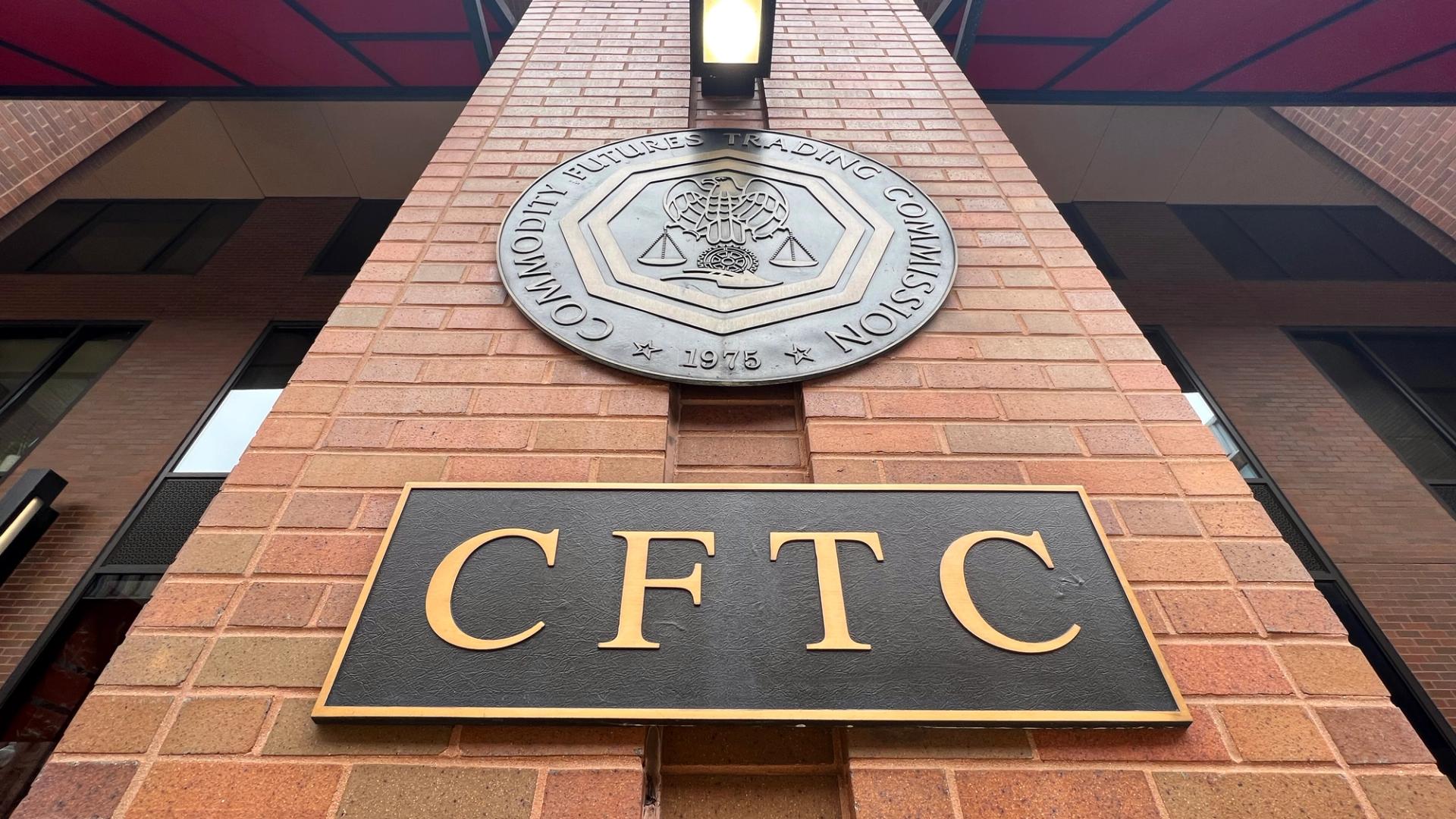

Crypto regulation news: U.S. regulator warns prediction markets against cutting corners in event contracts. This update explains what changed, why it matters for the crypto market, and what investors, exchanges, and blockchain companies should watch next.
Crypto Regulation Update
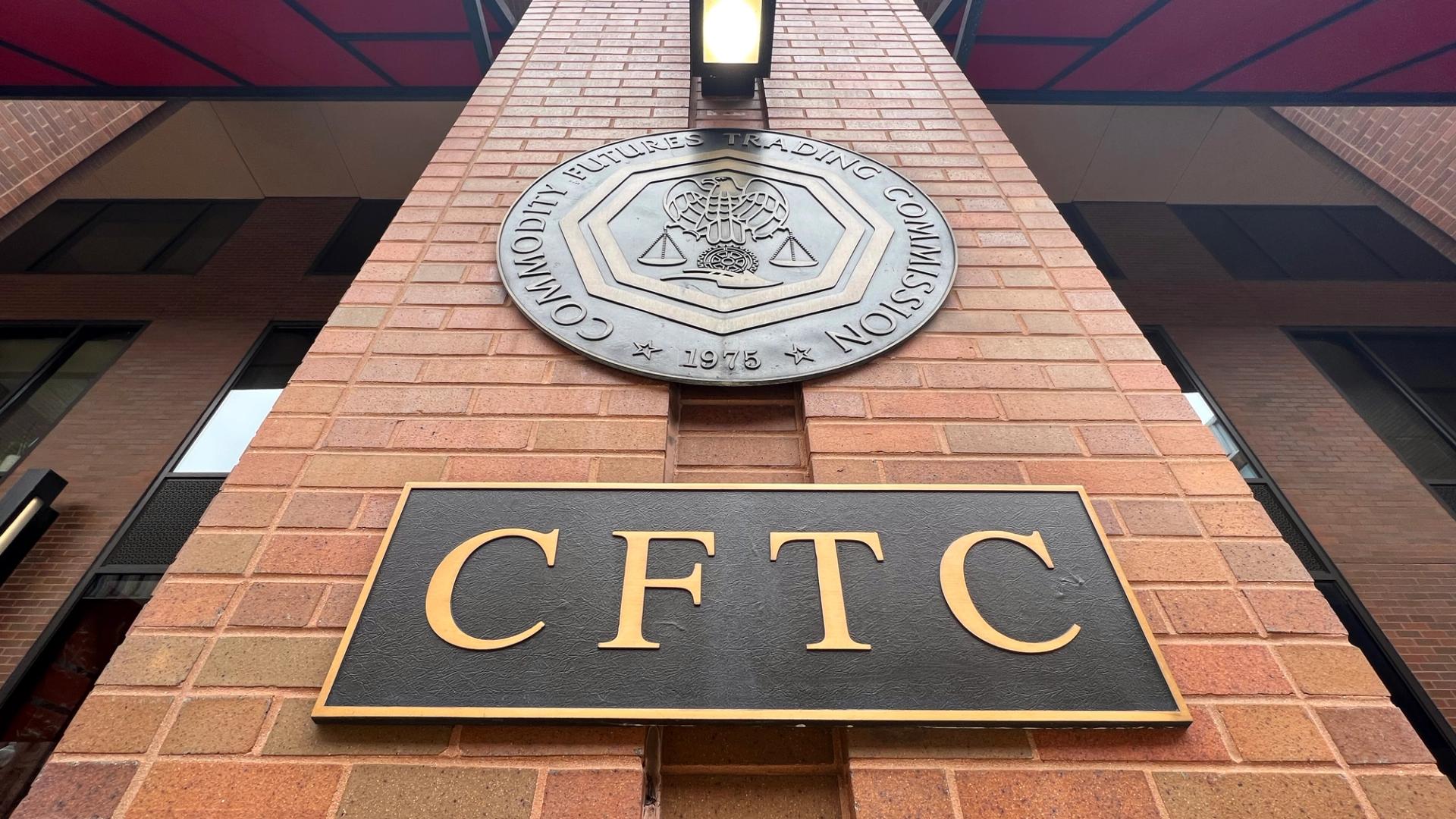
The U.S. Commodity Futures Trading Commission, which has claimed a role as the leading regulator of prediction markets firms run by companies such as Kalshi, Coinbase, Polymarket and Crypto.com, issued an advisory on Friday reminding the businesses that they shouldn’t cut corners with far-ranging contract certifications meant to encompass a wide array of events.The agency said that “broad, template-style certifications should not be submitted,” marking the second time in recent months that the regulator has had to warn about overly generalized submissions.Many of the “designated contract markets” regulated by the CFTC “continue to self-certify event contracts” (in other words, prediction market contracts) as broad templates “without supplying the terms and conditions of each proposed permutation and a concise explanation and analysis with respect to the product’s terms and conditions, the underlying commodity, and the product’s compliance,” the agency said.The regulator said skirting the process can undermine its ability to work out whether the firm “has supplied all information, explanation and analysis required” and has “adequately evaluated the settlement methodology, data sources, and core-principles compliance of all permutations of the contract.”

Why This Crypto Regulation News Matters

First, this development may affect exchanges, token listings, stablecoins, compliance rules, and market sentiment. In addition, it may influence licensing, reporting requirements, and future enforcement actions. As a result, traders and investors should watch the next legal and policy steps closely.
What to Watch Next
Watch for follow-up statements from regulators, court filings, exchange responses, and policy updates. In particular, any new guidance on licensing, enforcement, or stablecoin rules could have a direct impact on the broader crypto market.


