
Trump targets Brazil’s payments system while dollar stablecoins are quietly overtaking country’s payments | Crypto Regulation News
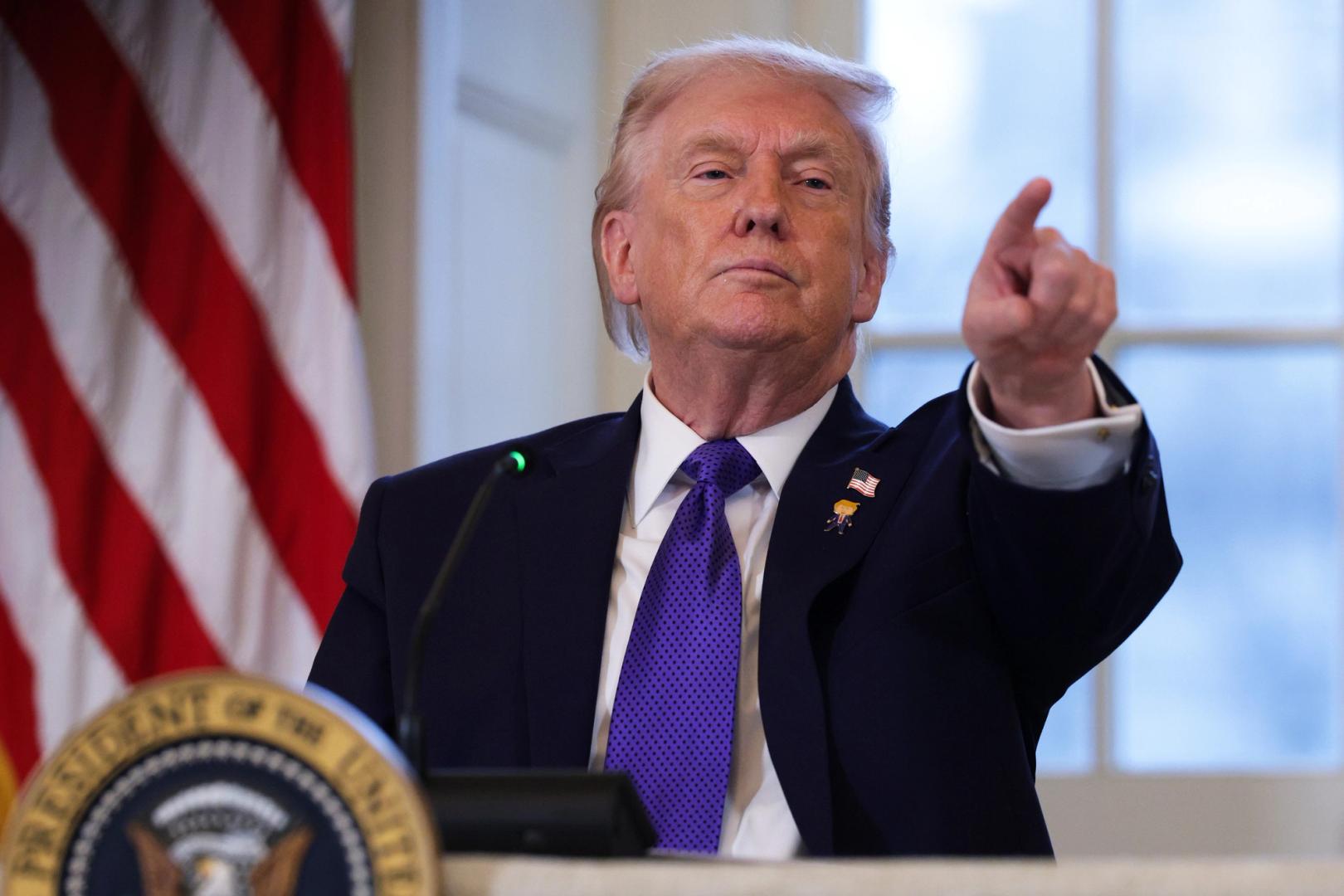

Crypto regulation news: Trump targets Brazil’s payments system while dollar stablecoins are quietly overtaking country’s payments. This update explains what changed, why it matters for the crypto market, and what investors, exchanges, and blockchain companies should watch next.
Crypto Regulation Update
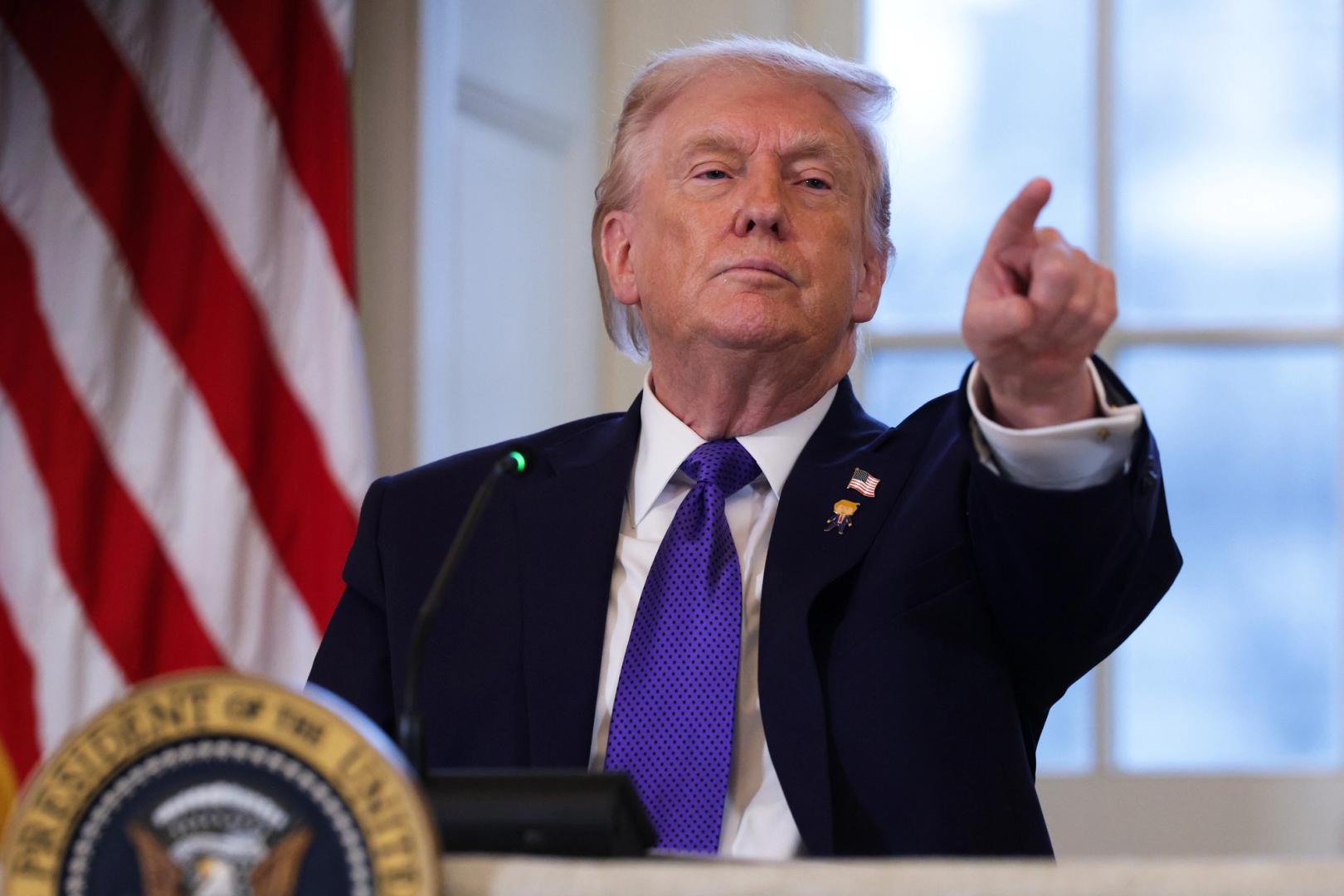
Dollar-linked stablecoins already account for roughly 90% of crypto transaction volume in Brazil, most of it used for payments and settlement, according to tax authority data.Brazil processes between $6 billion and $8 billion in crypto each month, much of it using dollar-denominated stablecoins instead of the country’s own currency.However, even as dollar stablecoins have proliferated, Brazil’s central bank has moved to limit their role in regulated cross-border payments. Resolution 561, effective October 1, is set to bar payment firms from settling cross-border payments in stablecoins or other crypto, closing a back-end channel that had routed reais through dollar tokens. The central bank has cast stablecoins as a threat to monetary sovereignty, tax enforcement and anti-money laundering controls. Pix now faces pressure from both sides after Washington named it a trade barrier, while Brazilian regulators shield it from growing competition from dollar-backed stablecoins.Pix, however, may not be competing with stablecoins. “In practice, they are complementary,” Rodrigo Caggiano, founder of Brazilian real-world asset monitoring platform RWA Monitor, told CoinDesk. “Pix has addressed domestic instant payments well, while stablecoins expand what is possible by operating on blockchain networks.”U.S. pressure is likely to accelerate Brazil’s regulatory debate on stablecoins and digital financial infrastructure, Caggiano said, as the central bank builds its own tokenized-settlement system, Drex, on similar programmable rails.

Why This Crypto Regulation News Matters

First, this development may affect exchanges, token listings, stablecoins, compliance rules, and market sentiment. In addition, it may influence licensing, reporting requirements, and future enforcement actions. As a result, traders and investors should watch the next legal and policy steps closely.
What to Watch Next
Watch for follow-up statements from regulators, court filings, exchange responses, and policy updates. In particular, any new guidance on licensing, enforcement, or stablecoin rules could have a direct impact on the broader crypto market.


