
Microsoft Flags USB Crypto Clipper Hijacking Wallets | Crypto Security News

Crypto security news: Microsoft Flags USB Crypto Clipper Hijacking Wallets. This update explains what happened, why it matters for wallets, exchanges, traders, and users, and what the market should watch next.
Crypto Security Update
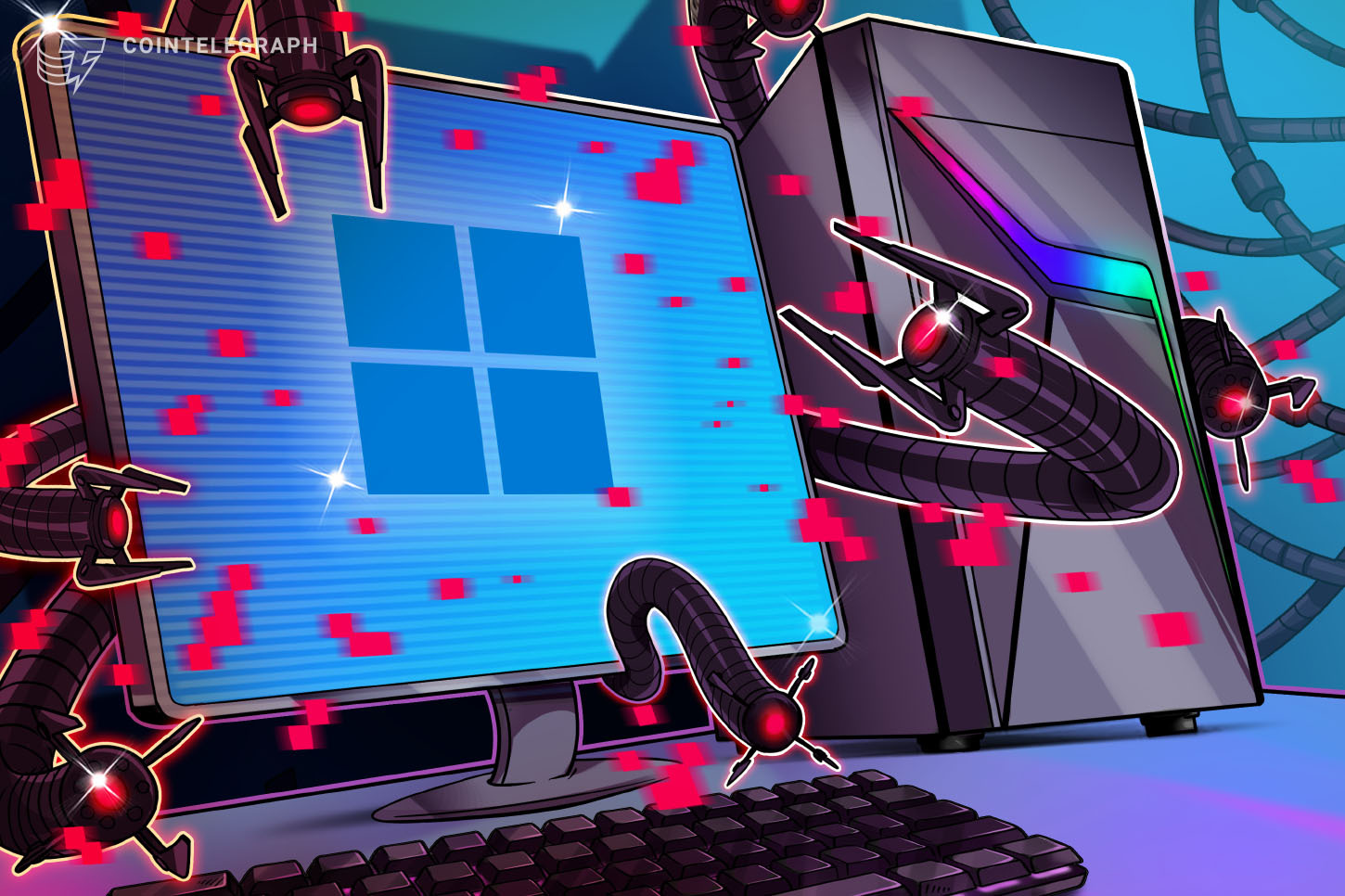
Microsoft Threat Intelligence is warning Windows users about a cryptocurrency clipper strain of malware transmitted via USB drives. The malware, which has been affecting users since February, steals clipboard data to extract wallet credentials using “high-frequency clipboard theft, screenshot exfiltration, and wallet-address substitution,” Microsoft said Wednesday.The crypto clipper also hides legitimate files and replaces them with lookalike shortcuts, so victims unknowingly execute malware while a worm component propagates automatically to USB storage devices. This malware is insidious because it’s more than just an info stealer, it functions as a backdoor, meaning that attackers can push and execute arbitrary code on infected machines at any time, turning a simple crypto theft into a persistent foothold for ransomware. The execution of this clipper is also notable because it does not depend on a traditional installer or exposed IP-based infrastructure, the Microsoft researchers said.“This malware family shows how lightweight, script-based stealers can deliver outsized impact when paired with anonymized communications and runtime tasking.” Tor network used for obfuscation The malware deploys two obfuscated JavaScript payloads in the Windows Documents directory and creates scheduled tasks for both the worm and stealer components.The malware also secretly installs a copy of Tor on the victim’s computer but renames it ugate.exe to disguise it as something innocent. It then uses the anonymizing Tor network to connect to its malicious operators at hidden “onion” addresses.Related: ‘TrapDoor’ malware targets crypto dev tools in supply chain attack“The combination of Tor-routed C2, clipboard targeting, screenshot capture and remote code execution gives attackers both immediate monetization paths and continued control over compromised devices,” Microsoft said. Crypto clipper execution flow. Source: MicrosoftPrivate keys and seed phrases targeted The crypto clipper focuses on “high-value financial artifacts” from the clipboard, including BIP39 mnemonic seed phrases and Bitcoin and Ethereum private keys. It also replaces copied wallet addresses with attacker-controlled ones across Bitcoin, Tron and Monero and takes screenshots every ten seconds for additional context. Microsoft Defender Antivirus detects the malware as Trojan:Win32/CryptoBandits.A.Microsoft recommended disabling autoplay on removable media, blocking .lnk execution from USB drives, and monitoring for proxy activity and spawned scripts. 2026 has seen a significant escalation in Windows-based crypto stealers. A new Windows malware strain called Lucid Stealer that targets browser extensions and crypto wallets was identified earlier this month by the Foresiet Threat Intel Team. Magazine: The end of anon? AI could unmask crypto’s hidden identities

Why This Security News Matters

First, this development may affect exchange safety, wallet security, user trust, and broader market sentiment. In addition, it may influence platform security practices, fund recovery efforts, and regulatory pressure. As a result, traders and crypto users should watch the next updates closely.
What To Watch Next
Watch for official statements, post-mortem reports, wallet warnings, exchange responses, and fund recovery updates. In particular, any new details about phishing, exploits, private key exposure, or security patches could directly affect the broader crypto market.


